Destination guide
Croatia, officially the Republic of Croatia, is a country in Central and Southeastern Europe, on the coast of the Adriatic Sea. It borders Slovenia to the northwest, Hungary to the northeast, Serbia to the east, Bosnia and Herzegovina and Montenegro to the southeast, and shares a maritime border with Italy to the west. The Croatian archipelago contains over 1,000 islands and islets, the largest overseas territory on the Adriatic Sea. Its capital, largest city and main cultural and economic centre is Zagreb. Major urban centres include Split, Rijeka, and Osijek. The country is composed of twenty counties spanning 56,594 square kilometres (21,851 square miles) within four historical and cultural regions. Croatia has a population of nearly 3.9 million as of 2026.
Croatian history began with the 6th century arrival of the Croats to Roman Illyria. Settled as two duchies a century later, Croatia was granted independence in 878 under Duke Branimir and elevated into a kingdom under King Tomislav in 925. The Trpimirović dynastic succession crisis placed Croatia into a personal union with Hungary in 1102. In 1527, amid Ottoman conflict, Croatia aligned with the Habsburg monarchy. It reorganized into the State of Slovenes, Croats, and Serbs before merging into the Kingdom of Yugoslavia in 1918. During World War II, most of Croatia was invaded by the Axis powers who installed a puppet state known as the Independent State of Croatia. A resistance movement restored sovereignty, emerging as the Socialist Republic of Croatia within the Socialist Federal Republic of Yugoslavia in 1943. Croatia declared independence from Yugoslavia in 1991, successfully fighting the War of Independence until 1995.
Modern Croatia is a representative democracy with a prime minister, president, and...
Source and contributor history: Wikipedia ·
CC BY-SA 4.0 ·
Shortened from the original; imported automatically without editorial review. 2026-11-19 03:26:52 UTC
Places to visit and practical information
Tourism is a major industry and economic sector. It has historically represented a large component the country's economic output (GDP), routinely reaching 10% to 15% of total GDP. Croatia is deeply integrated with the European Union (EU), contributing to overall international tourism in Southeast Europe. Tourism is concentrated along the Adriatic coast and is strongly seasonal, peaking in July and August. The most frequented cities are Dubrovnik, Rovinj, Zagreb, Split, Poreč, Umag, and Zadar, respectively.
The history of tourism in Croatia dates back to its time as part of Austria-Hungary when wealthy aristocrats would converge to the sea. Tourism expanded throughout the 1960s to the 1980s before the independence of Croatia in 1990 curbed tourism until the late-1990s. The 2000s saw a significant resurgence of Croatian tourism as it underwent nation-building with a particular emphasis on tourism revenue. By the late-2000s, Croatia became one of the most visited tourist destinations in the Mediterranean. A total of 20.2 million tourists visited Croatia in 2024.
Eight areas in the country have been designated national parks and thirteen as nature parks. There are ten World Heritage Sites and 111 Blue Flag beaches across the country. Factors of tourist interest are mainly culture, cuisine, history, fashion, architecture, art, religious sites and routes, nature, maritime access, and nightlife. Tourism has been partially supported by the Croatian film and television industries due to on-location filming. Inflation and overtourism has led to increased travel regulations and tourist costs since 2024. Eurostat estimated that nearly 55% of EU tourist accommodation is between Croatia (117,000) and neighboring Italy (230,000). In 2025, Croatia was the ninth-most-visited state in the EU and third-most-visited in Southern Europe.
Infrastructure
Motorways
The motorway network was largely built in the late 1990s and the 2000s. As of December 2020, Croatia had completed 1,313.8 kilometres (816.4 miles) of motorways, connecting Zagreb to other regions and following various European routes and four Pan-European corridors. The busiest motorways are the A1, connecting Zagreb...
Source and contributor history: Wikipedia ·
CC BY-SA 4.0 ·
Shortened from the original; imported automatically without editorial review. 2026-11-19 03:26:52 UTC
Weather throughout the year
Most of Croatia has a moderately warm and rainy continental climate as defined by the Köppen climate classification. Mean monthly temperature ranges between −3 °C (27 °F) in January and 18 °C (64 °F) in July. The coldest parts of the country are Lika and Gorski Kotar featuring a snowy, forested climate at elevations above 1,200 metres (3,900 feet). The warmest areas are at the Adriatic coast and especially in its immediate hinterland characterised by Mediterranean climate, as the sea moderates temperature highs. Consequently, temperature peaks are more pronounced in continental areas.
The lowest temperature of −35.5 °C (−31.9 °F) was recorded on 3 February 1919 in Čakovec, and the highest temperature of 42.8 °C (109.0 °F) was recorded on 4 August 1981 in Ploče. Mean annual precipitation ranges between 600 millimetres (24 inches) and 3,500 millimetres (140 inches) depending on geographic region and climate type. The least precipitation is recorded in the outer islands (Biševo, Lastovo, Svetac, Vis) and the eastern parts of Slavonia. However, in the latter case, rain occurs mostly during the growing season. The maximum precipitation levels are observed in the Dinaric Alps, in the Gorski Kotar peaks of Risnjak and Snježnik.
Prevailing winds in the interior are light to moderate northeast or southwest, and in the coastal area, prevailing winds are determined by local features. Higher wind velocities are more often recorded in cooler months along the coast, generally as the cool northeasterly bura or less frequently as the warm southerly jugo. The sunniest parts are the outer islands, Hvar and Korčula, where more than 2700 hours of sunshine are recorded per year, followed by the middle and southern Adriatic Sea area in general, and northern Adriatic coast, all with more than 2,000 hours of sunshine per year.
Biodiversity
Croatia can be subdivided into ecoregions based on climate and geomorphology. The country is one of the richest in Europe in terms of biodiversity. Croatia has four types of biogeographical regions—the Mediterranean along the coast and in its immediate hinterland, Alpine in most of Lika and Gorski Kotar, Pannonian along Drava and Danube, and...
Source and contributor history: Wikipedia ·
CC BY-SA 4.0 ·
Shortened from the original; imported automatically without editorial review. 2026-11-19 03:26:52 UTC
Planning your trip
An original Dino Travel overview automatically assembled from the stated source data, not a guide translation.
Compare temperatures and rainfall below when choosing your dates. At the Zagreb reference point, historical monthly averages put month 1 among the coolest, with a daily high of 3,5 °C, and month 7 among the warmest, at 29,0 °C. These figures describe that point, not a forecast for the whole country. NASA POWER
For a rough comparison, the modelled basic grocery basket in the reference city of Zagreb costs 977.94 CZK per month, or 32.60 CZK per day divided by thirty (retrieved 2026-11-19). The model may contain estimates and excludes accommodation, restaurants and transport; it is not a total holiday budget. CostCompass
The following individual prices are available for reference; their locations and dates may differ. More items are listed below.
Weather throughout the year
Historical monthly average of daily high temperatures and daily precipitation, not a forecast. NASA POWER data for the stated point; conditions elsewhere can differ.
Symbols indicate freezing mean temperature and precipitation, not sunshine or actual snowfall.
Reference location: Zagreb (45.813056, 15.977222)
| Month | Average daily high (°C) | Mean precipitation (mm/day) |
|---|
| 1 | 🌡 3,5 | 💧 1,7 |
|---|
| 2 | 🌡 6,0 | 💧 2,1 |
|---|
| 3 | 🌡 11,2 | 💧 1,9 |
|---|
| 4 | 🌡 16,4 | 💧 2,1 |
|---|
| 5 | 🌡 20,9 | 💧 3,0 |
|---|
| 6 | 🌡 26,0 | 💧 2,9 |
|---|
| 7 | 🌡 29,0 | 💧 2,6 |
|---|
| 8 | 🌡 28,9 | 💧 2,7 |
|---|
| 9 | 🌡 22,9 | 💧 3,6 |
|---|
| 10 | 🌡 17,1 | 💧 2,7 |
|---|
| 11 | 🌡 10,1 | 💧 2,7 |
|---|
| 12 | 🌡 4,3 | 💧 2,0 |
|---|
Zagreb · NASA POWER · 25-year Meteorological and Solar Monthly & Annual Climatologies (January 2001 - December 2025) · Average daily high (°C) 2001–2025 · 2026-11-19 03:27:36 UTC
Travel costs
Food and non-alcoholic beverage price comparison for 2024: index 103,7 (EU average = 100). This is a historical price-level comparison, not a grocery basket price, daily budget or current prices.
Eurostat · prc_ppp_ind · 2025-07-10T11:00:00+0200 · Retrieved: 2026-11-19 03:17:28 UTC
Basic grocery basket per day: 32.60 CZK
CostCompass calculates a monthly basket for one person in Zagreb at 977.94 CZK; we divide by 30 for a daily comparison. The calculation includes estimated or withheld prices; the date is when we retrieved it, not when every price was measured. It is not a full travel budget: lodging, restaurants and transport are excluded. Other places can be cheaper or more expensive.
CostCompass · 2026-11-19 03:28:27 UTC
Detailed observed prices
CostCompass observations for the reference city, not national averages. Names and units are taken from the source.
| Business Shoes (Leather) |
979.72 CZK / pair
Zagreb · 2026-11-16 · AboutYou & local fashion e-shops
|
|---|
| Jeans (Levis or Similar) |
1,077.07 CZK / item
Zagreb · 2026-11-16 · AboutYou & local fashion e-shops
|
|---|
| Running Shoes (Nike, Adidas) |
2,716.01 CZK / pair
Zagreb · 2026-11-16 · Clothing Shop Listings (per country), AboutYou & local fashion e-shops
|
|---|
| Summer Dress (Chain Store) |
867.92 CZK / item
Zagreb · 2026-11-16 · AboutYou & local fashion e-shops
|
|---|
| Cinema Ticket |
208.26 CZK / ticket
Zagreb · 2026-11-16 · Cinema Ticket Prices
|
|---|
| Fitness Club (Monthly) |
649.22 CZK / month
Zagreb · 2026-11-16 · European Entertainment Chains, Gym Chains
|
|---|
| Tennis Court Rent (1 Hour) |
294.05 CZK / hour
Zagreb · 2026-11-16 · Cinema, Tennis and Gym Prices (per city)
|
|---|
| Apples (1kg) |
41.34 CZK / item
Zagreb · 2026-11-14 · Konzum
|
|---|
| Banana (1kg) |
29.12 CZK / item
Zagreb · 2026-11-14 · Konzum
|
|---|
| Bread (500g) |
18.23 CZK / item
Zagreb · 2026-11-14 · Konzum
|
|---|
| Chicken Breast (1kg) |
144.47 CZK / item
Zagreb · 2026-11-14 · Konzum
|
|---|
| Eggs (12) |
49.34 CZK / item
Zagreb · 2026-11-09 · Konzum
|
|---|
| Milk (1 liter) |
12.89 CZK / item
Zagreb · 2026-11-14 · Konzum
|
|---|
| Potatoes (1kg) |
24.23 CZK / item
Zagreb · 2026-11-14 · Konzum
|
|---|
| Rice (1kg) |
38.90 CZK / item
Zagreb · 2026-11-14 · Konzum
|
|---|
| Tomatoes (1kg) |
70.90 CZK / item
Zagreb · 2026-11-14 · Konzum
|
|---|
| Water (1.5 liter) |
11.34 CZK / item
Zagreb · 2026-11-14 · Konzum
|
|---|
| Cold Medicine (6 days) |
99.57 CZK / item
Zagreb · 2026-11-16 · Online Pharmacies (API)
|
|---|
| Doctor Visit (15 min) |
735.01 CZK / visit
Zagreb · 2026-11-16 · Doctor Visit Fees (per city)
|
|---|
| 1BR Apartment (city-wide) |
20,340.55 CZK / month
Zagreb · 2026-11-16 · Balkan and Slovak property portals (per-listing), Balkan Property Portals
|
|---|
| 3BR Apartment (City Center) |
24,717.29 CZK / month
Zagreb · 2026-11-16 · Balkan Property Portals, Balkan and Slovak property portals (per-listing)
|
|---|
| 3BR Apartment (Outside Center) |
24,544.37 CZK / month
Zagreb · 2026-11-16 · Balkan Property Portals, Balkan and Slovak property portals (per-listing)
|
|---|
| Gasoline (1 liter) |
42.90 CZK / liter
Zagreb · 2026-11-16 · EU Weekly Oil Bulletin
|
|---|
| Monthly Transit Pass |
1,170.42 CZK / month
Zagreb · 2026-11-16 · City Transit Fares
|
|---|
| One-way Ticket |
32.67 CZK / trip
Zagreb · 2026-11-16 · City Transit Fares
|
|---|
| Taxi 1km |
24.45 CZK / km
Zagreb · 2026-11-16 · Official Taxi Tariffs
|
|---|
| Taxi Start |
98.02 CZK / trip
Zagreb · 2026-11-16 · Official Taxi Tariffs
|
|---|
| Basic Utilities (85m2 Apt) |
3,689.96 CZK / month
Zagreb · 2026-11-16 · Eurostat Energy Prices
|
|---|
| Internet (60 Mbps+) |
696.56 CZK / month
Zagreb · 2026-11-16 · European Telecom Operators
|
|---|
| Mobile Plan (10GB+) |
640.55 CZK / month
Zagreb · 2026-11-16 · European Telecom Operators
|
|---|
CostCompass · CC BY 4.0
Indicative observations: each source specifies a reference city or country. USD as supplied by the sources; prices vary. Some items and further independent sources remain unavailable.
| Item | Price and date |
|---|
| Water 1.5 L |
11.34 CZK Hvar · CostCompass · 2026-11-14 · Konzum
|
|---|
| Inexpensive restaurant meal |
471.64 CZK Hvar · CostCompass · 2026-11-16 · Venue Menus (per city)
|
|---|
| Cappuccino |
98.02 CZK Hvar · CostCompass · 2026-11-16 · Venue Menus (per city)
|
|---|
| Domestic beer 0.5 L |
122.47 CZK Hvar · CostCompass · 2026-11-16 · Pub & Bar Drinks Menus
|
|---|
| Croissant or doughnut |
Unverified |
|---|
| Big Mac |
Unverified |
|---|
| Serving of ice cream |
Unverified |
|---|
The total and local-budget filter require all seven verified prices for the same location and currency; some are missing.
CostCompass · The Economist · CC BY 4.0
A comparable daily per-person budget has not been verified yet. A package price does not indicate local meal, transport and other expenses.
Open the travel guide — Wikivoyage (EN): Food and restaurants
Croatian cuisine is quite diverse so it is hard to say what meal is most typically Croatian. In the eastern continental regions (Slavonija and Baranja) spicy sausage such as kulen or kulenova seka is a must try. Čobanac ("shepherd's stew") is a mixture of several kinds of meat with a lot of red spicy paprika. In Hrvatsko Zagorje and Central Croatia pasta filled with cheese called štrukli is a famous delicacy (it is said that the best štrukli in Croatia is served in the Esplanade Hotel restaurant in Zagreb), as is purica s mlincima, which is baked turkey cooked in a special kind of pastry. Sir i vrhnje (sour cream with cottage cheese) can be bought fresh on the Zagreb main market Dolac. Croats love a bit of oil and you will find plenty of it in piroška. In the mountainous regions of Lika and Gorski Kotar meals containing mushrooms, wild berries and game meat are very popular. One of typical dishes in Lika is police (oven-baked potatoes covered with bacon) and several kinds of cheese (smoked cheese and škripavac).
The coastal region is well known for its truffle delicacies and soup maneštra od bobić (Istria), Dalmatian pršut and paški sir (Pag-island cheese). Dishes made of fresh fish and other products of the sea (calamari, octopus, crabs, scampi) shouldn't be given a miss. Many places serve fish delivered from the local fisherman the night before – find out which ones!
Croatian cuisine has yet to come up with a fast food representative. The market is dominated by globally ubiquitous hamburgers and pizzas but you will also find "burek" and "ćevapčići" imported from the Ottoman Empire, which stretched from the Middle East to neighbouring Bosnia. The latter two dishes are widely popular throughout Southeastern Europe. Burek is a type of meat or cheese pastry whereas ćevapčići are seasoned minced meat shaped in finger-size portions served in bread and often covered with onions. Although definitely not a fast meal (takes several hours to prepare), also foreign in origin is the so-called sarma or sauerkraut rolls filled with minced meat and rice. For those coming back from nightclubs at 04:00 or 05:00 as is common in Croatia, it is popular to go to the local bakery...
Source and contributor history · CC BY-SA 4.0 · Shortened from the original; imported automatically without editorial review.
Open the travel guide — Wikivoyage (EN): Accommodation
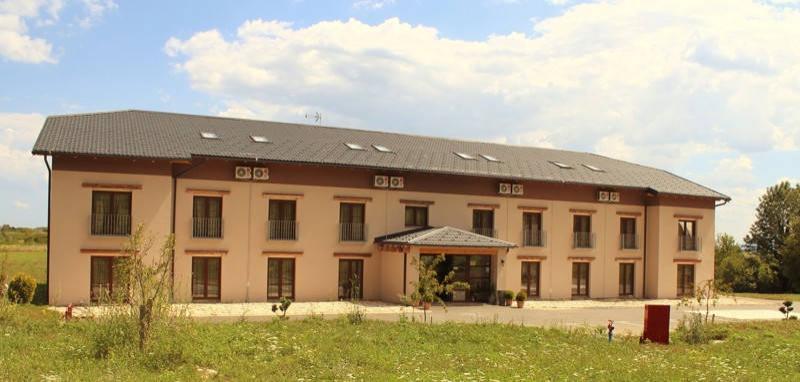
Accommodation in Croatia is increasingly geared towards well-furnished, self-declared four- and five-star hotels. Prices are at their most expensive during the warmer months from June to September, especially July and August. Many coastal hotels are closed during the winter but there is at least one place to stay which is open in the off-season in all major towns.
Private rooms and apartments are quite common, targeting the mass tourism market as visits to the country surged in the 2010s. Apartments tend to be self-containing, with a kitchen, bathroom, small lounge, and often a terrace outside.
B&Bs haven't really taken off in Croatia because of the bureaucratic rules in place. In the countryside, rural homestays have become more visible, particularly in the inland regions. These homestays are slightly pricier than the private rooms and apartments, but include breakfast and home-cooked meals.
Source and contributor history · CC BY-SA 4.0 · Shortened from the original; imported automatically without editorial review.
Open the travel guide — Wikivoyage (EN): Introduction and places to visit
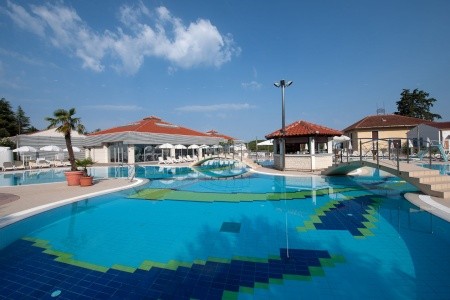
Croatia (Croatian: Hrvatska) is a Mediterranean country in Southeastern Europe, and is a part of the Balkans. Much of the tourist industry is concentrated along the coast. Nautical tourism is supported by marinas, while cultural tourism relies on the appeal of medieval coastal cities and cultural events taking place during the summer. Inland areas offer agrotourism, mountain resorts, and spas. Zagreb is a significant destination, rivalling major coastal cities and resorts. Croatia has unpolluted marine areas with nature reserves and 116 Blue Flag beaches. Croatia was ranked first in Europe for swimming water quality in 2022 by the European Environmental Agency.
== Regions ==
There are three distinct areas of Croatia: Lowland Croatia (Nizinska Hrvatska), Littoral Croatia (Primorska Hrvatska), and Mountainous Croatia (Gorska Hrvatska), and these can be neatly split into five travel regions:
== Cities ==
1 Zagreb, the capital, has a fine old city.
2 Dubrovnik is a spectacular walled city and UNESCO World Heritage Site.
3 Osijek to the east is the chief city of Slavonia, with many budget flights.
4 Pula is the main town of Istria with a well-preserved Roman amphitheatre.
5 Rijeka is Croatia's main port, with ferries across to Italy and to the Adriatic islands.
6 Split has an entire ancient city shoehorned into a Roman Imperial palace.
7 Zadar has a rich history and lies in a scenic area, yet is overlooked by most tourists.
== Other destinations ==
The islands are some of the best of what Croatia has to offer. There are reckoned to be 1244, but the top handful are:
1 Cres, large and well-developed. Nearby Krk is nowadays connected to the mainland.
2 Brač is a long thin island, with Supetar its main port.
3 Hvar has a charming old port.
4 Korčula has an attractive old town and string of little villages.
Inland in the rugged mountains are many scenic areas:
5 Žumberak is the mountainous region between Slovenia and Croatia.
6 Plitvice National Park is a...
Source and contributor history · CC BY-SA 4.0 · Shortened from the original; imported automatically without editorial review.